




5.9L Cummins Buyer’s Guide
Choosing Parts for a 2003–2007 5.9L Cummins
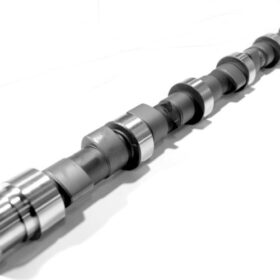
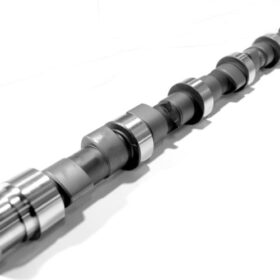
Choosing the right camshaft and valvetrain components for a 2003–2007 5.9L Cummins depends on how the truck is used, the turbocharger setup, desired RPM range, horsepower goals, and supporting engine modifications. A dependable towing truck requires a different combination than a high-horsepower street or competition build.
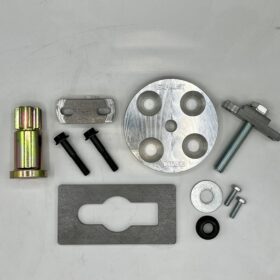
Hamilton Cams develops Cummins camshafts and supporting valvetrain parts for improved airflow, turbo response, low-end torque, durability, and reliable engine operation. The correct combination should be selected as a complete system rather than choosing a camshaft without considering valve springs, pushrods, tappets, retainers, and installation requirements.
Towing & Work Trucks
Towing-oriented 5.9 Cummins camshaft combinations should prioritize usable low-RPM torque, responsive turbo spool-up, controlled exhaust gas temperatures, drivability, and long-term reliability.
Daily & Street Performance
Street builds often benefit from a broader operating range that supports stronger airflow and horsepower without sacrificing low-speed response or everyday drivability.
Competition Builds
Competition applications may require more aggressive camshaft profiles, upgraded valve springs, stronger pushrods, additional clearance checks, and supporting engine modifications.
Supporting 5.9 Cummins Valvetrain Components
A performance camshaft must work with the rest of the valvetrain. The correct supporting parts help maintain valve control, transfer motion accurately, reduce unnecessary wear, and protect the engine throughout its intended operating range.
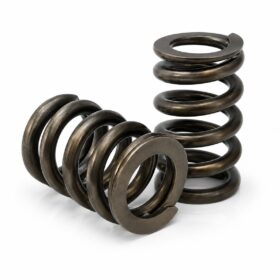
Valve Springs
Help maintain valve control at the intended lift and RPM range.
Pushrods
Provide strength and accurate motion transfer through the valvetrain.
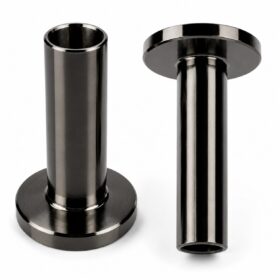
Tappets & Lifters
Must match the camshaft design and installation requirements.
Retainers & Locks
Secure the valve-spring assembly during demanding operation.
Timing Components
Support accurate camshaft installation and valve timing.
Top-End Gaskets
Provide the sealing components commonly needed during installation.
Why Choose Hamilton Cams?
Hamilton Cams specializes in Cummins valvetrain development. Our technical team helps customers match camshafts and supporting components to their engine, turbocharger, vehicle use, and performance goals rather than treating every build as the same application.
5.9 Cummins Camshaft FAQs
What is the best camshaft for a 5.9 Cummins?
The best camshaft depends on the truck’s intended use, turbocharger, engine modifications, RPM range, and horsepower goals. A towing build typically needs a different profile than a street-performance or competition application.
Is a performance camshaft worth installing in a 5.9 Cummins?
A properly selected performance camshaft can improve airflow, engine response, turbo spool characteristics, torque delivery, and overall performance. Results depend on the complete engine combination and correct installation.
Do I need upgraded valve springs with a Cummins camshaft?
Valve-spring requirements depend on the camshaft profile, lift, intended RPM range, boost, exhaust pressure, and engine setup. Follow the recommendations provided for the selected camshaft.
Can a camshaft help reduce exhaust gas temperatures?
A properly matched camshaft can improve airflow and cylinder evacuation, which may help manage exhaust gas temperatures in the correct engine combination. Actual results vary with fueling, turbocharger selection, load, tuning, and supporting modifications.
What should be checked during camshaft installation?
Installation may require checking piston-to-valve clearance, valve-spring setup, retainer clearance, pushrod length, camshaft timing, gear fitment, and other measurements specific to the engine and selected components.
Need Help Selecting 5.9 Cummins Parts?
Contact Hamilton Cams for help matching a camshaft and valvetrain combination to your truck and performance goals.
Contact Hamilton Cams